Open post
Three people sit at a wooden table, enjoying drinks and a cup of coffee with latte art—an example of how the Best Office Coffee Service for Employee Satisfaction and Productivity can enhance workplace moments.

Best Office Coffee Service for Employee Satisfaction and Productivity

The best office coffee service in Singapore is not the one with the most features in its brochure but the one that delivers consistently good coffee, reliably, day after day, without operational friction for the office team managing it. Employee satisfaction with workplace coffee provision is a simple matter of whether the coffee is good and whether it is available when people want it. Complexity in the service model that does not contribute to these two outcomes is not an advantage.

What Employees Actually Want from Office Coffee

Surveying workplace coffee preferences in Singapore consistently produces a clear picture. Quality comes first. A significant majority of office workers in Singapore report that the quality of coffee available in the office is an important factor in their overall workplace satisfaction. Availability is second: the coffee should be ready when needed without significant wait time or preparation complexity.

Beyond these two primary factors, employees value:

  • Variety: The option to choose between an espresso, a flat white, a long black, and other drink types based on personal preference and the time of day
  • Consistency: The coffee that is good on a Monday should be equally good on a Friday
  • Cleanliness: A well-maintained machine and a clean pantry environment are experienced as part of the coffee quality signal
  • Speed: During busy periods, coffee should be obtainable without a long queue or a lengthy preparation process

What Makes a Coffee Service “Best”

The best office coffee service in Singapore is one that systematically addresses all of these employee requirements through the right combination of equipment, coffee quality, and service management.

Equipment selection is the foundation. A fully automatic bean-to-cup machine calibrated for consistent espresso extraction across a full range of drink options is the right equipment for most Singapore offices. The machine should be sized for the office’s peak demand period rather than for average demand, so that Monday morning capacity is adequate rather than the everyday average being the capacity ceiling.

Coffee quality is determined by the bean. Specialty-grade arabica beans from identified origins, sourced fresh and delivered on a schedule that ensures they are used within the optimal post-roast window, produce coffee that meets the quality expectations of Singapore’s coffee-literate workforce. A service that cuts cost on bean quality will see the saving show up in the cup.

Service reliability is the operational dimension. A coffee service that provides excellent equipment and excellent beans but whose maintenance response is slow, whose consumables run out between scheduled replenishment visits, or whose billing and administration creates friction is not, in practice, the best service regardless of its quality credentials.

The Productivity Dimension

As Singapore’s National Productivity Council has noted in its guidance on workplace environment factors, “The quality of basic workplace provisions including food and beverage access correlates significantly with sustained employee concentration and performance metrics, particularly for knowledge workers engaged in complex cognitive tasks.”

The mechanism is practical rather than abstract. An employee who needs to leave the building for a coffee that is unavailable or inadequate internally loses 15 to 20 minutes per trip. In a typical office, if a meaningful proportion of the team is making external coffee runs daily, the aggregate time cost is substantial. The best office coffee service retains these staff in the building during their breaks and provides the refreshment quality that makes the break genuinely restorative.

Service Provider Evaluation

When evaluating office coffee service providers in Singapore for employee satisfaction and productivity, the practical criteria that most directly determine daily experience are:

  • Is the coffee quality genuinely specialty-grade, with specific origin and roast information available?
  • What is the documented breakdown response time and how consistently is it met?
  • What does consumables management include – who monitors stock levels, and how is an early run-out addressed?
  • What is the machine maintenance schedule, and what is included vs. excluded from the service fee?
  • Can you speak with three current clients of comparable office size?

A coffee service provider who can answer these questions clearly, with specific commitments and verifiable references, is operating at the standard that justifies the “best” description. The best office coffee service for employee satisfaction in Singapore makes good coffee the easiest and most reliable part of the working day.

Open post
Two people cut a slice from a customised cake Singapore—a three-tiered square white wedding cake with chocolate layers, decorated with brown ribbon and dark flower accents.

Customised Cake Singapore: Choosing Designs That Fit Your Occasion

The decision to order a customised cake Singapore begins with a seemingly simple question: what kind of cake do you actually need? Yet this question contains layers of complexity that become apparent only when you examine the relationship between occasion type, guest expectations, venue constraints, and design possibilities. The wrong choice can create consequences that ripple through an entire celebration. The right choice amplifies the celebration’s impact in ways that justify the additional expense and planning effort required.

Understanding Occasion Categories and Their Design Implications

Not all celebrations demand the same approach to cake design. Each occasion type carries implicit expectations about formality, aesthetics, and appropriateness that influence which custom cake designs will succeed and which will miss the mark.

Children’s birthday parties operate under different rules than adult milestone celebrations. A four-year-old’s superhero-themed party calls for bold primary colours, recognizable character shapes, and design elements positioned where small children can appreciate them. The same design principles would seem jarringly inappropriate at a fortieth birthday celebration, where sophistication and subtle humour typically replace cartoonish exuberance.

Wedding cakes represent the most formal end of the spectrum, where tradition intersects with personal expression. Baker Patricia Lim, who specializes in wedding orders, described the dynamic: “Couples want their customised wedding cake Singapore to feel unique but not so unconventional that it looks out of place in wedding photographs. There’s a narrow band of acceptable innovation.”

Corporate events require yet another calibration. The cake celebrating a company’s anniversary or major contract win must project professionalism whilst remaining celebratory. Overly playful designs undermine the message, whilst excessively formal designs can seem sterile.

Matching Design Complexity to Venue Constraints

The physical environment where the cake will be displayed and served imposes practical constraints that many people overlook during design selection. These constraints can determine success or failure regardless of how beautiful the cake appears in isolation.

Indoor, climate-controlled venues offer maximum flexibility. Buttercream, fondant, chocolate, and virtually any decorative technique remains stable under these conditions. Outdoor venues in Singapore’s tropical climate create immediate complications. Heat and humidity become enemies of structural integrity.

According to pastry chef Daniel Chen, “I actively discourage certain customised cake singapore designs for outdoor events. Intricate buttercream flowers will droop within minutes. Chocolate decorations will begin softening immediately. Clients sometimes push back, but I explain the physics of what happens to cake in thirty-two-degree heat with eighty-five per cent humidity.”

Venue logistics extend beyond climate control:

  • Available refrigeration affects how early the cake can be delivered and setup timing 
  • Table stability and size determine maximum cake dimensions and tier numbers 
  • Lighting conditions influence colour choices, as artificial light can distort certain shades 
  • Accessibility for delivery affects whether elaborate multi-piece designs are feasible 
  • Display duration before cutting determines which structural approaches will hold

Balancing Aesthetic Ambition with Budget Reality

The gap between desired design and available budget creates tension in many ordering processes. Understanding what drives costs in customised cake creation helps calibrate expectations before emotional investment in a particular design becomes too strong.

Labour hours represent the primary cost factor, and these scale nonlinearly with complexity. A cake requiring hand-painted portraits might demand twenty hours of meticulous work compared to three hours for a simple frosted cake. The price difference reflects this time investment more than material costs.

Three-dimensional sculptural cakes require internal armatures, careful carving, and structural engineering that flat decorated cakes avoid entirely. Certain ingredients such as premium chocolate, real vanilla, or specialty items like gold leaf also add expense, though usually less dramatically than labour costs.

Jennifer Wong, who operates a home-based custom baking service, described the budget conversation: “I show clients a portfolio organized by price points. When they understand that the hundred-dollar cake takes five hours and the three-hundred-dollar cake takes eighteen hours, the pricing logic becomes clear.”

Considering Guest Demographics and Cultural Context

The people who will actually eat the cake should influence design choices in ways that extend beyond simple serving quantity calculations. Age distribution, cultural backgrounds, and dietary considerations all factor into optimal design selection.

Elderly guests might struggle with very sweet fondant-heavy designs or prefer traditional flavours over adventurous combinations. Young children respond to bold colours and recognizable characters but may not appreciate subtle design nuances. Multicultural gatherings in Singapore’s diverse society benefit from designs that avoid culturally specific symbols that some guests might not recognize.

Religious and dietary restrictions require advance consideration:

  • Halal requirements affect ingredient sourcing and preparation methods 
  • Egg or dairy allergies necessitate alternative recipes that may limit certain decorative techniques
  • Vegetarian guests may object to certain food colourings derived from animal sources 
  • Health-conscious crowds might prefer reduced-sugar options that affect texture and decoration possibilities

Making the Decision Process Systematic

Successful custom celebration cake selection follows a logical sequence. Begin by defining occasion type and formality level. Document venue constraints including climate control and logistics. Establish firm budget parameters. List dietary requirements and guest demographic factors. Only after gathering this information should you explore specific design options.

This systematic approach prevents the common pattern of falling in love with a particular design only to discover it exceeds budget, won’t survive the venue conditions, or fails to accommodate dietary needs. Baker Michael Tan summarized the principle: “The clients who have the best experiences are those who treat design selection as problem-solving rather than pure aesthetics.”

The cake you ultimately select will either enhance your celebration or create complications you could have avoided. Thoughtful analysis of how design choices interact with occasion requirements, venue realities, budget constraints, and guest considerations produces outcomes that justify ordering a customised cake singapore.

Open post

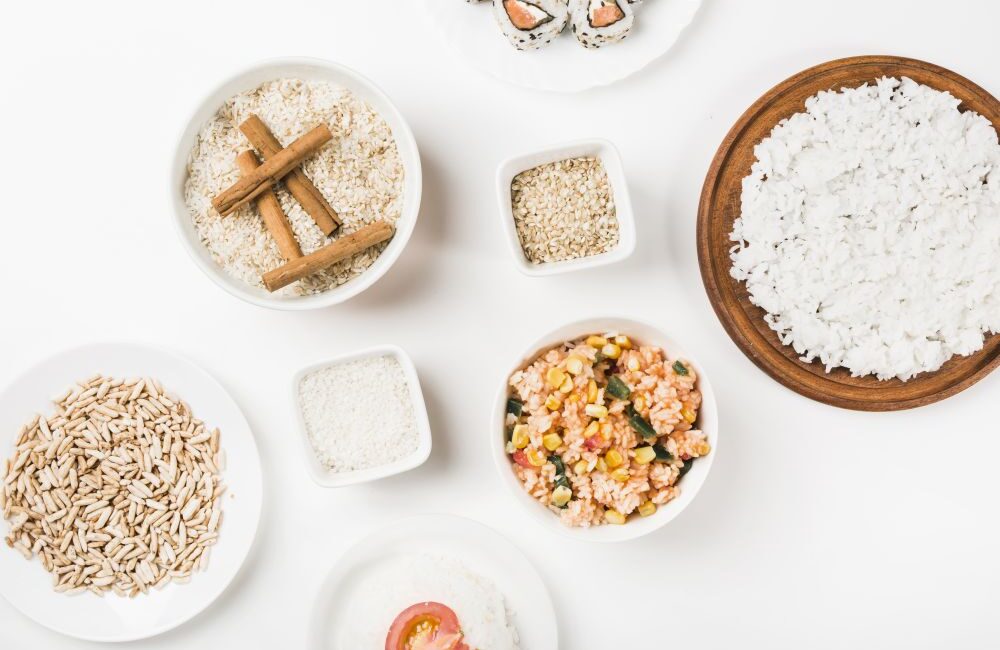
Low GI Rice for Healthier Blood Sugar Control and Everyday Nutrition

Low GI rice has emerged as a significant dietary consideration in an era increasingly defined by metabolic health concerns and the growing prevalence of diabetes across populations. The glycaemic index, a relatively modern nutritional concept developed in the early 1980s, measures how rapidly carbohydrate-containing foods raise blood glucose levels following consumption. This scientific advancement provided consumers and healthcare practitioners alike with a practical tool for making informed dietary choices, transforming how we understand the relationship between food and metabolic response. The implications for daily nutrition prove particularly relevant in Asian societies where rice constitutes not merely a side dish but the very foundation of most meals.

The historical context of rice consumption reveals an interesting paradox. For millennia, rice sustained civilisations from the Yangtze River valley to the Mekong Delta, providing reliable calories to support dense populations. Yet the traditional varieties consumed by these populations often possessed characteristics quite different from the highly refined white rice that became ubiquitous in the twentieth century. The polishing process that removes the bran and germ layers, whilst producing the gleaming white grains prized for their appearance and quick cooking time, also strips away fibre, minerals, and compounds that moderate glucose absorption.

Understanding the Glycaemic Index and Its Relevance

The glycaemic index ranks foods on a scale from 0 to 100, with pure glucose assigned the reference value of 100. Foods scoring below 55 receive classification as low GI, those between 56 and 69 as medium GI, and those above 70 as high GI. The distinction matters because rapid blood sugar spikes trigger corresponding insulin surges, a pattern that, when repeated frequently over years, contributes to insulin resistance and type 2 diabetes. Low glycaemic index rice varieties produce gentler, more gradual increases in blood glucose, sparing the pancreas from excessive demands and helping maintain metabolic equilibrium.

The mechanisms behind these differences involve both the physical structure of rice grains and their chemical composition. Amylose and amylopectin, the two forms of starch present in rice, behave differently during digestion. Varieties with higher amylose content generally produce lower glycaemic responses because this starch type resists rapid enzymatic breakdown. The presence of intact bran layers in brown and parboiled rice varieties further slows digestion, as the fibre creates a physical barrier that moderates glucose release.

Health Benefits of Choosing Lower GI Varieties

The advantages of incorporating low GI rice into regular dietary patterns extend beyond simple blood sugar management:

  • Sustained energy levels 

It result from the gradual release of glucose into the bloodstream, avoiding the energy crashes that follow consumption of high GI foods. This steady fuel supply benefits both mental concentration and physical endurance.

  • Appetite regulation 

Improves because low GI foods promote greater satiety. The slower digestion process keeps hunger at bay for longer periods, potentially reducing overall calorie intake and supporting weight management efforts.

  • Cardiovascular protection emerges as a secondary benefit

Since stable blood sugar levels correlate with reduced inflammation and improved lipid profiles. The metabolic stability fostered by low GI diets contributes to long-term heart health.

  • Diabetes prevention and management 

It represents perhaps the most significant advantage. For those already diagnosed with diabetes, low GI rice assists in maintaining target blood glucose ranges. For those at risk, it reduces the likelihood of disease development.

Varieties and Options Available

Several rice varieties naturally exhibit low to medium GI characteristics. Basmati rice, whether white or brown, typically scores lower on the glycaemic index than other long-grain varieties due to its high amylose content. The slender grains remain separate and fluffy when cooked, making them suitable for a wide range of dishes. Brown rice of any variety retains its fibre-rich bran layer, automatically lowering its GI compared to the polished white equivalent. Parboiled rice undergoes steaming before milling, a process that drives nutrients into the grain and alters the starch structure in ways that reduce glycaemic impact.

Wild rice, technically not a true rice but the seed of an aquatic grass, provides an extremely low GI option with robust, nutty flavour. Black and red rice varieties, increasingly available in specialty markets, combine low GI properties with high antioxidant content courtesy of their coloured bran layers.

In Singapore’s health-conscious market, awareness of glycaemic impact has influenced purchasing patterns significantly. As one nutrition researcher noted, “Singapore’s low gi rice adoption reflects a population increasingly educated about preventive health measures and willing to make dietary adjustments for long-term wellbeing.” The island nation’s high diabetes prevalence has prompted both government health initiatives and grassroots dietary modifications, with low GI grain choices forming part of broader nutritional recommendations.

Practical Implementation in Daily Cooking

Transitioning to lower GI rice requires minimal adjustment to cooking routines. Most varieties cook using standard methods, though brown and wild rice demand longer cooking times and slightly more water than white rice. The textural differences, initially unfamiliar to palates accustomed to soft white rice, become appreciated with regular consumption. The firmer bite and nuttier flavours complement curries, stir-fries, and grilled proteins admirably.

Combining rice with protein, healthy fats, and vegetables further moderates the overall glycaemic response of a meal. A plate of brown rice accompanied by grilled fish and steamed vegetables produces a substantially lower glucose spike than rice consumed alone. This food pairing principle allows even moderate GI rice varieties to function effectively within a blood sugar-conscious dietary pattern.

The shift towards nutritionally optimised grain choices represents not a rejection of cultural food traditions but their evolution in response to changed circumstances. Modern sedentary lifestyles and altered disease patterns necessitate adaptations that our ancestors, engaged in physically demanding agricultural labour, never required. For contemporary populations facing metabolic health challenges, choosing low gi rice offers a practical, sustainable approach to preserving cherished food customs whilst safeguarding future wellbeing through more mindful nutrition based on low gi rice.

Open post
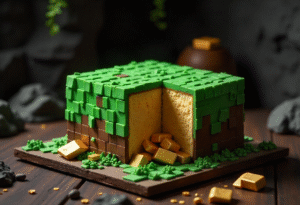
A three-tiered chocolate Minecraft cake with a blocky, pixelated design, decorated with amber-colored sugar flames and gems, sits on a stone cake stand in a dim setting.

Designing the Perfect Minecraft Cake: From Pixels to Pastry Art

Minecraft cake is not merely a sweet treat; it is a carefully constructed artefact, embodying both the whimsical geometry of the digital realm and the tactile pleasure of traditional baking. Much like the game itself, where each block holds significance in a larger design, a cake crafted in this style becomes an object of shared memory and narrative, rooted in the joy of creation.

Why Minecraft Translates So Well to Confectionery

The aesthetic of Minecraft is instantly recognisable: a pixelated visual language born out of deliberate simplicity. In culinary form, this offers a canvas of clean lines, sharp edges, and bold colours.

One baker in Singapore described the appeal as “translating code into crumb,” explaining how the crisp geometry of a block-shaped sponge captures the spirit of the game. The connection between the digital and edible world is more than novelty; it is an act of cultural translation, where one medium adopts the grammar of another.

Common Design Approaches for Minecraft-Themed Cakes

When considering the architecture of such a cake, several stylistic approaches emerge:

·       Block-by-Block Accuracy: A cube-shaped cake with precise fondant tiles, each square representing a pixel.

·       Character Portrait Cakes: Featuring the faces of Steve, Alex, or the iconic Creeper, rendered in edible colours.

·       Layered Biome Cakes: Each tier represents a different in-game environment, grasslands above, mines below.

·       Miniature Build Replicas: Detailed recreations of in-game structures, from small huts to fortresses.

·       Cupcake Assemblies: Dozens of small cakes arranged into a larger image, such as a sword or heart icon.

Flavour Profiles: Tradition Meets Local Innovation

The surface design often commands attention, but the flavour beneath can transform the cake into something memorable. While vanilla and chocolate are reliable bases, Singapore bakers frequently weave in local taste traditions:

·       Pandan Sponge: A fragrant, green-hued nod to Southeast Asian heritage.

·       Gula Melaka Drizzle: A caramel-like richness with palm sugar undertones.

·       Coconut Cream Layers: Bringing both lightness and depth.

·       Milo-Chocolate Blend: An instantly recognisable flavour for many in the region.

The key is harmony between visual design and flavour composition; the cake must taste as good as it looks.

Techniques for Achieving Pixel Perfection

A Minecraft-themed cake requires a discipline not unlike architectural drafting:

·       Fondant Grids: Cutting precise fondant squares to lay in even patterns.

·       Edible Printing: Using food-safe inks to reproduce detailed graphics.

·       Structural Supports: Ensuring cubic cakes remain stable, especially in multi-tier designs.

·       Colour Matching: Replicating the exact RGB tones from the game to preserve authenticity.

As one Singapore artisan noted, “The hardest part is patience. You’re not just icing a cake, you’re placing every block in a world you’re building for someone’s memory.”

Practical Considerations for Event Day

The cake’s role at a celebration is ceremonial as much as it is culinary. A few practical measures can ensure the moment unfolds seamlessly:

1.    Sizing with Care: Base the cake’s dimensions on guest numbers; excess is costly, scarcity is disappointing.

2.    Temperature Control: In Singapore’s climate, refrigeration until the last possible moment is essential.

3.    Timing the Reveal: Present the cake before slicing to allow for photographs and admiration.

4.    Transport Logistics: Use rigid boxes and a flat surface to avoid damaging delicate fondant edges.

Incorporating the Cake into a Larger Theme

To integrate the cake within the party’s thematic arc:

·       Use pixelated table runners or block-pattern plates to echo the cake’s design.

·       Create game-inspired snack stations, offering “emeralds” (green jelly beans) or “lava” (red punch).

·       Add Minecraft-inspired music to the moment of presentation, heightening atmosphere.

This synchrony between cake and context deepens the immersive quality of the event.

The Cultural Meaning of a Minecraft Cake

It is tempting to regard themed cakes as mere novelties, yet they often serve a deeper function: materialising an intangible, virtual world. For younger celebrants, it is a rare instance where the imagined environment becomes something tangible, a bridge between the inner landscapes of play and the shared spaces of family and friends.

The ritual of slicing such a cake is symbolic, dismantling, block by block, what has been so carefully built, yet sharing it generously with all present. This reflects, in some small way, the ethos of the game itself: construction, deconstruction, and collective enjoyment.

Conclusion: Crafting Memory in Sugar and Sponge

To create a cake inspired by Minecraft is to join in the act of world-making. The baker assumes the role of a digital architect in an analogue medium, building something that will be both admired and consumed. Like the game, it invites imagination, patience, and an appreciation for small details.

When the candles are lit and the room is filled with expectant faces, the cake stands as the centrepiece, not just of the table, but of the day’s story. And when the final slice is served, the memory remains, much like a beloved save file, ready to be revisited in conversation and photographs. In the end, nothing quite embodies that fusion of play and celebration like a perfectly realised minecraft cake.

Open post

From Hawker Centers to High-End Kitchens: Choosing the Right Commercial Oven in Singapore

If you’d told me years ago that I’d be standing in a high-end kitchen with a Michelin star to my name, I’d probably have laughed and handed you a plate of char kway teow. My culinary journey started humbly at a hawker center in Singapore, where I learned the ropes from my father, who ran a humble noodle stall. I spent my youth flipping noodles in a wok and experimenting with flavors on the side. Eventually, my passion for cooking led me to culinary school, where I traded my wok for a chef’s knife and began my climb up the gastronomic ladder.

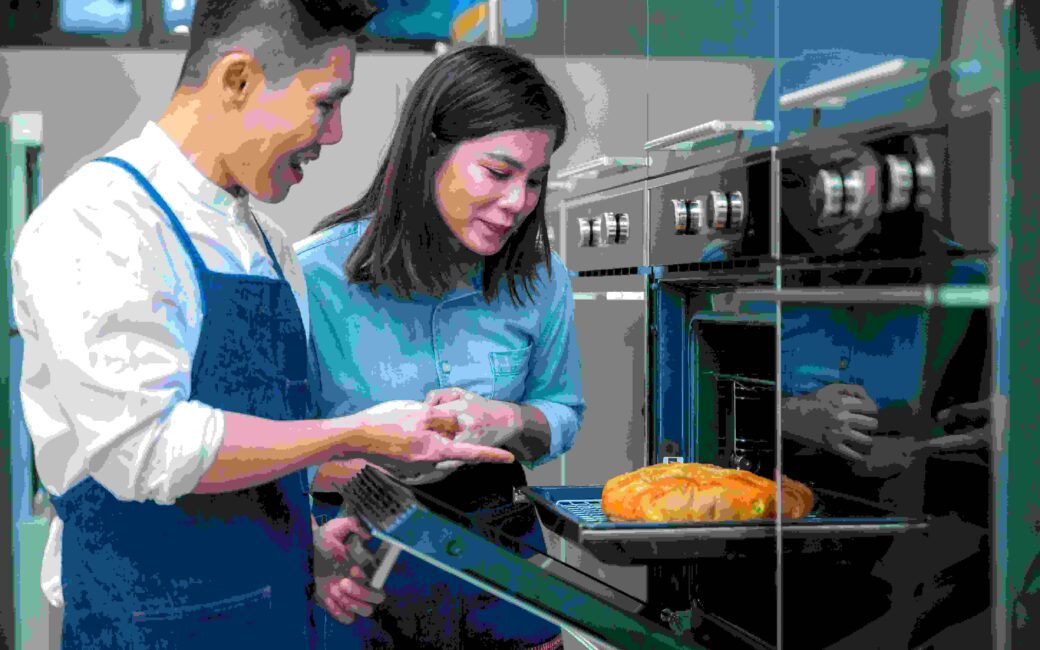
Fast forward to today, and I’m still in love with the vibrant food culture that Singapore offers, but my kitchen tools have certainly evolved. One of the most important tools in any professional kitchen, whether in a hawker stall or a fine dining establishment, is the oven. Choosing the right commercial oven Singapore can make or break your culinary creations, so let’s dive into what you need to know.

Understanding Your Needs: What Type of Oven Do You Need?

Before you start shopping for a commercial oven, it’s crucial to understand your kitchen’s specific needs. The type of oven you choose will depend largely on what you’ll be using it for. In my early days at the hawker center, a basic convection oven was enough to handle the occasional baked goods I whipped up. But as I moved into more sophisticated kitchens, the demands grew, and so did my need for more advanced equipment.

1. Convection Ovens

Convection ovens are a staple in many kitchens across Singapore. They’re versatile, easy to use, and perfect for baking, roasting, and even grilling. The fan inside circulates hot air, ensuring even cooking, which is ideal for pastries, cakes, and bread.

Pro Tip: If you’re running a bakery or pastry shop, a convection oven is likely your best bet. It’s reliable, efficient, and can handle high volumes of baked goods with consistent results.

2. Combi Ovens

As I transitioned into fine dining, I discovered the wonders of the combi oven. This type of oven offers a combination of convection, steam, and a hybrid mode that uses both. It’s a dream for any chef who needs precision and flexibility in their cooking.

Pro Tip: For restaurants offering a diverse menu, a combi oven is invaluable. Whether you’re steaming delicate fish or roasting a whole duck, the combi oven can do it all. Somerville offers a range of top-notch combi ovens that can elevate your kitchen’s capabilities.

3. Deck Ovens

For those specializing in pizzas or artisanal bread, a deck oven is often the preferred choice. It provides direct heat from the bottom, creating that perfect crust that’s so essential in these dishes.

Pro Tip: If you’re running a pizzeria or a bakery focused on traditional bread, a deck oven is your best friend. The even heat distribution ensures that your products come out perfect every time.

Space and Budget Considerations

Another key factor in choosing the right commercial oven in Singapore is considering the space you have available and your budget. Singapore kitchens, especially in hawker centers or smaller restaurants, are often compact, so every inch counts. In my first professional kitchen, space was a luxury we didn’t have. We had to carefully plan the layout to ensure that the oven didn’t crowd out other essential equipment.

When budgeting, remember that a high-quality oven is an investment. It may be tempting to cut corners, but in my experience, a reliable oven pays for itself in the long run by delivering consistent results and reducing maintenance costs. Somerville provides a range of ovens that cater to various budgets without compromising on quality, ensuring you get the best value for your investment.

Maintenance and Durability: The Long Game

No matter which oven you choose, regular maintenance is key to its longevity. I learned this lesson the hard way early in my career when I neglected the maintenance of my first oven, and it broke down during a busy dinner service. The kitchen descended into chaos, and I vowed never to let that happen again.

In Singapore’s humid climate, it’s particularly important to keep your oven clean and well-maintained to prevent rust and other issues. Look for ovens with easy-to-clean features and robust construction that can withstand the rigors of a busy kitchen. Somerville offers durable commercial ovens that are designed to last, even in the demanding environment of Singapore’s food scene.

Conclusion: Choose Wisely with Somerville

Choosing the right commercial oven Singapore is more than just picking a piece of equipment—it’s about finding a tool that fits your kitchen’s needs, your culinary ambitions, and your budget. Whether you’re running a hawker stall or a Michelin-starred restaurant, the right oven can elevate your dishes and streamline your operations.

At Somerville, we understand the unique demands of Singapore’s diverse culinary landscape and offer a range of commercial ovens to suit every kitchen. So, whether you’re whipping up the next great hawker dish or preparing a gourmet feast, make sure your oven is up to the task. After all, in the kitchen, as in life, the right tools make all the difference.


Open post

Taste the Difference: Mini Buffet Delivery Experiences in Singapore

Mini buffet delivery services have emerged as a convenient solution for hosts looking to cater to their guests without the hassle of cooking or arranging elaborate spreads. In essence, mini buffet delivery brings a variety of delectable dishes straight to your doorstep, ready to be enjoyed by your guests. The convenience it offers is unparalleled, especially for busy hosts juggling multiple responsibilities.

One of the primary benefits of opting for mini buffet delivery is the sheer variety it offers. Unlike traditional catering options that may limit your choices, mini buffet delivery services typically provide an extensive menu selection to cater to different tastes and preferences. Whether you’re craving local delights, international cuisine, or fusion dishes, there’s something to suit every palate.

Why Choose Mini Buffet Delivery in Singapore?

In bustling Singapore, where time is of the essence, mini buffet delivery has become a popular choice for hosting events of all sizes. The convenience it offers is unmatched, allowing hosts to focus on other aspects of event planning without having to worry about food preparation or logistics.

Moreover, mini buffet delivery services in Singapore cater to a diverse range of tastes and dietary preferences. Whether you’re hosting a corporate luncheon, a birthday celebration, or a family gathering, you can find mini buffet options that accommodate various dietary restrictions, including vegetarian, halal, and gluten-free choices.

Factors to Consider When Choosing Mini Buffet Delivery Services

When selecting a mini buffet delivery Singapore, it’s essential to consider several factors to ensure a seamless and enjoyable experience for you and your guests. Firstly, reputation and reviews play a crucial role in determining the reliability and quality of the service provider. Look for testimonials from previous customers and check online reviews to gauge the reputation of the catering company.

Additionally, menu quality and variety are paramount when choosing a mini buffet delivery service. Opt for a provider that offers a diverse range of dishes, including appetisers, mains, sides, and desserts, to cater to different tastes and preferences. Moreover, inquire about customization options to tailor the menu to your specific requirements and budget.

Making the Most of Mini Buffet Delivery Services

To make the most of your mini buffet delivery experience, consider some practical tips and strategies. Firstly, plan ahead by placing your order well in advance to ensure availability and avoid last-minute rush. Communicate any dietary restrictions or preferences to the catering company to ensure they can accommodate your needs effectively.

Furthermore, consider the presentation of the food when hosting events at home or in the office. Invest in attractive serving platters and garnishes to enhance the visual appeal of the dishes and impress your guests. Lastly, don’t forget to provide feedback to the catering company based on your experience, as it helps them improve their services and offerings.

Takeaway

Mini buffet delivery services offer a convenient and hassle-free solution for hosts looking to cater to their guests’ culinary needs in Singapore. With a diverse menu selection, customizable options, and impeccable service, they ensure a memorable dining experience for all occasions. So why stress over cooking and logistics when you can leave it to the experts? Opt for mini buffet delivery and focus on enjoying your event with your guests.

Singapore Cream Puffs: The Art of Choux Pastry

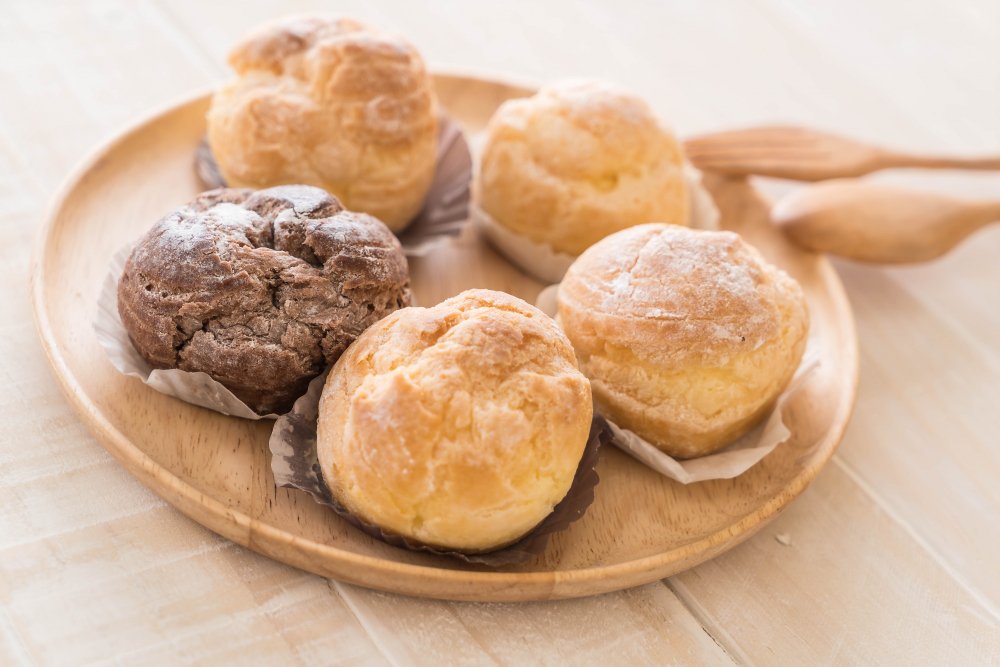
cream puff

What Are Cream Puffs?

Cream puffs are delicate pastries made from choux pastry dough that puffs into hollow, airy shells during baking, then filled with sweetened whipped cream, pastry cream, or other luscious fillings. These golden orbs represent one of the most satisfying achievements in home baking, transforming simple ingredients like flour, butter, eggs, and water into elegant desserts that seem to defy their humble origins.

The magic of My Bake Studio’s cream puff lies in their dramatic transformation during baking. The choux pastry dough begins as a thick, glossy mixture that barely resembles pastry, yet emerges from the oven as light, crispy shells with spacious interiors perfect for holding generous amounts of cream. When properly executed, cream puffs offer a textural contrast between the crisp exterior and silky interior that creates an almost ethereal eating experience.

The History and French Connection

Cream puffs trace their origins to 16th century France, where they evolved from earlier Italian pastry techniques brought to the French court. The pastry gained prominence through the work of French chef Panterelli, who refined the technique for creating what became known as pâte à choux, or choux pastry. The name “choux” means cabbage in French, referring to the resembling shape of the baked pastries to small cabbages.

Catherine de Medici’s Italian pastry chefs are often credited with introducing the foundational techniques to France, but it was French culinary innovation that perfected the method and created the versatile foundation for numerous classic pastries. Beyond cream puffs, choux pastry became the base for éclairs, profiteroles, croquembouche, and Paris-Brest, establishing an entire family of beloved French pastries.

The technique spread throughout Europe and eventually worldwide, with each culture adapting the basic concept to local tastes and ingredients. Today, variations of cream puffs appear in cuisines from Japanese cream puffs filled with green tea-flavored cream to Italian bignè served at celebrations throughout Italy.

The Science Behind Perfect Choux Pastry

Creating successful cream puffs requires understanding the unique science behind choux pastry, which relies on steam rather than chemical leavening agents for its dramatic rise. The process begins by cooking flour with water and butter, which pre-gelatinizes the starches and creates a smooth paste that can hold substantial amounts of eggs without breaking.

The incorporation of eggs transforms the cooked paste into a pipeable dough with remarkable properties. As the pastry bakes, moisture within the dough converts to steam, creating internal pressure that inflates the shells like balloons. The eggs provide structure through protein coagulation, while the pre-cooked flour creates a framework that maintains the puffed shape as the pastry sets.

Temperature control proves crucial throughout the process, from the initial cooking stage through baking. The dough must be sufficiently hot when eggs are added to partially cook them, creating the proper consistency for piping. During baking, consistent oven temperature ensures even rising and browning without collapsing the delicate structure before it fully sets.

Essential Techniques for Success

Mastering cream puffs begins with properly cooking the initial flour mixture, known as the panade. This stage requires stirring the mixture over medium heat until it forms a smooth ball and pulls away from the pan sides, indicating that excess moisture has evaporated and the flour is fully cooked. Under-cooking at this stage results in weak shells that collapse, while over-cooking can make the dough too stiff to accept eggs properly.

The gradual incorporation of eggs represents the most critical phase in choux pastry preparation. Eggs must be added slowly while the mixture is still warm but not hot enough to scramble them. The dough should become smooth and glossy, flowing slowly from a spoon in a V-shaped ribbon when properly mixed. This consistency ensures the dough has enough moisture to create steam while maintaining structure during baking.

Piping technique affects both appearance and performance, with consistent sizing and spacing allowing for even baking. Using a pastry bag fitted with a large round tip creates uniform shapes, while maintaining steady pressure ensures consistent thickness that bakes evenly throughout each puff.

Filling Options and Flavor Variations

Traditional cream puff fillings center around various forms of cream, from simple sweetened whipped cream to rich pastry cream flavored with vanilla, chocolate, or fruit. Pastry cream, made with eggs, milk, sugar, and cornstarch, provides a more stable filling that maintains its texture longer than whipped cream while offering opportunities for flavor customization through extracts, liqueurs, or fruit purées.

Modern interpretations expand beyond traditional boundaries, incorporating ice cream for frozen variations, savory fillings for appetizer applications, or exotic flavors like matcha, lavender, or cardamom. Some bakers create themed variations for holidays, such as pumpkin spice filling for autumn celebrations or peppermint cream for winter gatherings.

Chocolate lovers particularly appreciate cream puffs filled with chocolate ganache, chocolate pastry cream, or even chocolate whipped cream, sometimes paired with chocolate-flavored choux pastry for an intensely chocolatey experience. Fruit-based fillings using fresh berries, lemon curd, or fruit-flavored creams provide lighter alternatives that showcase seasonal ingredients.

Assembly and Presentation Techniques

Proper filling technique ensures cream puffs maintain their shape and texture while maximizing the cream-to-pastry ratio that makes them so appealing. Creating small holes in the bottom of cooled shells allows for easy filling using pastry bags, while keeping the tops intact for attractive presentation. This method also prevents the shells from becoming soggy by avoiding cuts through the more delicate upper portions.

Timing becomes crucial when assembling cream puffs, as filled pastries are best consumed within a few hours to maintain optimal texture. The contrast between crisp shells and smooth fillings diminishes as moisture from the cream softens the pastry, though properly made choux maintains some structural integrity longer than more delicate pastries.

Presentation options range from simple dusting with powdered sugar to elaborate glazes, chocolate drizzles, or decorative toppings that complement the filling flavors. Some bakers create stunning displays by arranging cream puffs in towers or wreaths, particularly popular for special occasions or French-themed celebrations.

Troubleshooting Common Issues

Flat or collapsed cream puffs typically result from insufficient cooking of the initial flour mixture, inadequate egg incorporation, or temperature fluctuations during baking. Opening the oven door too early allows steam to escape before the structure sets, causing dramatic deflation that cannot be corrected.

Dense or heavy cream puffs often indicate over-mixing after egg addition or using eggs that were too cold, preventing proper incorporation. The dough should remain light and airy throughout mixing, with smooth consistency that holds its shape when piped but flows slightly to create rounded tops.

Uneven browning or cracking usually stems from oven hot spots or temperatures that are too high, causing rapid surface setting before the interior has properly expanded. Using oven thermometers and rotating pans during baking helps ensure even heat distribution and consistent results across multiple batches.

How To Choose Food-Grade Racking Systems?

Choosing the right food-grade racking system is essential for any business handling food products. The right system ensures safety, compliance, and efficient storage, directly impacting product quality and operational costs.

This guide explains how to choose food-grade racking systems by outlining the critical factors, compliance needs, and best practices for safe, efficient food storage.

What Makes a Racking System Food-Grade?

Key Compliance and Certification Requirements

Food-grade racking must comply with strict regulations, such as HACCP (Hazard Analysis and Critical Control Point), FDA, or local food safety standards. These certifications ensure the racking system is suitable for direct or indirect contact with food and can be sanitized effectively.

Materials and Surface Finishes for Food Safety

The best food-grade racking systems use materials like stainless steel or powder-coated steel, which resist corrosion and are easy to clean. Avoid materials that can chip, rust, or harbor bacteria. Smooth, non-porous surfaces are essential for preventing contamination and supporting regular sanitation.

Core Factors to Consider When Choosing Food-Grade Racking

Hygiene and Cleanability

Food-grade racking must be easy to clean and sanitize. Look for open designs that minimize crevices where food debris or moisture can accumulate. Floor-level beams should elevate pallets off the ground, making cleaning and pest control easier.

Corrosion Resistance and Durability

Food storage environments, especially cold storage or refrigerated areas, expose racking to moisture and temperature fluctuations. Choose racks with corrosion-resistant coatings or stainless steel construction to ensure long-term durability and food safety.

Types of Food-Grade Racking Systems

Selective Pallet Racking

This versatile option offers direct access to every pallet, making it ideal for facilities with a wide variety of SKUs and high turnover. It is easy to clean and allows for efficient stock rotation.

Drive-In and Drive-Through Racking

These high-density systems are popular in cold storage and freezer environments. They maximize space by allowing pallets to be stored multiple positions deep, but require careful cleaning and may be best for products with similar batch dates.

Gravity Flow and FIFO Systems

Gravity flow racking, such as pallet flow or carton flow racks, supports first-in, first-out (FIFO) inventory management. This is crucial for food warehouses to ensure older stock is used before newer stock, reducing spoilage and waste.

Design and Configuration Tips for Food Storage

Maximizing Space and Accessibility

Assess your available space and ceiling height. Food-grade warehouses often need to maximize vertical storage while maintaining safe access and proper ventilation. The typical height-to-depth ratio should not exceed six to one for stability, but engineered systems can sometimes go higher if designed for your facility.

Batch Rotation and Traceability

Efficient food storage requires meticulous batch rotation and traceability. Use racking systems that support easy access and clear labeling, and integrate with your warehouse management system (WMS) for tracking inventory movement and expiration dates.

Safety, Maintenance, and Regulatory Compliance

Inspection Schedules and Cleaning Protocols

Regular inspections are crucial for identifying damage, corrosion, or contamination risks. Establish cleaning protocols that match your food safety standards, and keep records of maintenance and inspections for compliance audits.

Meeting HACCP and Local Food Safety Standards

Always ensure your racking system is compliant with HACCP guidelines and any local regulations. This includes using approved materials, maintaining proper cleaning schedules, and documenting all safety procedures.

How Often Should Racking Be Inspected?

Industry best practices recommend monthly visual inspections and annual professional assessments, especially in food storage environments where contamination risks are higher.

Can Standard Racking Be Upgraded for Food Use?

In some cases, standard racking can be upgraded with food-safe coatings or by replacing components with stainless steel. However, it’s generally safer and more cost-effective to invest in purpose-built food-grade systems for full compliance and easier maintenance.

Conclusion

Selecting the right food-grade racking system for plants is a critical decision for food businesses. Focus on compliance, materials, hygiene, and durability to ensure food safety and operational efficiency. By following these guidelines and working with experienced suppliers, you can create a safe, compliant, and efficient storage environment that protects your products and your business.

Mini Party Catering on a Budget

Mini parties are a great way to celebrate any occasion with your friends and family, without breaking the bank. Whether you’re hosting a birthday, anniversary, baby shower, or just a casual get-together, mini buffet catering can make your event more fun and stress-free. You don’t have to worry about cooking, cleaning, or serving food, and you can enjoy more quality time with your guests. But how do you find a caterer that suits your needs and budget? And what kind of food should you order for your mini party? In this blog post, we’ll share some tips and ideas for mini party catering on a budget, so you can plan an amazing event that everyone will love.

How to Choose the Right Caterer for Your Mini Party

One of the most important decisions you have to make when planning a mini party is choosing the right caterer. You want a caterer that can provide quality food, service, and value for your budget. Here are some tips to help you find the best caterer for your mini party:

  • Do some research: Look for online reviews, ratings, and testimonials from previous customers. You can also ask for recommendations from your friends, family, or colleagues who have hired caterers before.
  • Compare prices and packages: Contact different caterers and ask for their menus, prices, and packages. Compare what they offer and see which one fits your needs and budget. Some caterers may have special deals or discounts for mini parties, so don’t be afraid to ask.
  • Check their availability and flexibility: Make sure the caterer you choose is available on the date and time of your mini party. You should also check their cancellation policy and deposit requirements. Additionally, you should ask if they can accommodate any special requests, dietary restrictions, or preferences you or your guests may have.

Mini Party Catering Menu Ideas

The food is one of the most important aspects of any mini party. You want to serve food that is delicious, satisfying, and suitable for your theme and occasion. Here are some ideas for mini party catering menus that are affordable and delicious:

  • Finger foods: Finger foods are easy to eat, serve, and clean up. They are also great for mingling and socializing. You can choose from a variety of finger foods such as sandwiches, wraps, sliders, skewers, dips, chips, cheese boards, fruit platters, etc.
  • Buffet style: Buffet style is a convenient and cost-effective way to feed a large number of guests. You can offer a range of dishes such as salads, pasta, rice, meat, vegetables, etc. You can also have a dessert table with cakes, pies, cookies, brownies, etc.
  • Themed menu: A themed menu can add some fun and flair to your mini party. You can choose a theme based on your occasion, season, or personal preference. For example, you can have a Mexican fiesta with tacos, nachos, salsa, guacamole, etc., or a Hawaiian luau with grilled chicken, pineapple, coconut rice, etc.

How to Save Money on Mini Party Catering

Decorations and Accessories Another way to make your mini party catering more affordable is to save money on decorations and accessories. You don’t have to spend a lot of money to make your mini party look festive and inviting. Here are some ways to save money on mini party catering decorations and accessories:

  • Use what you have: You can use items that you already have at home or borrow from your friends or family. For example, you can use tablecloths, napkins, plates, cups, cutlery, etc., that match your theme or color scheme.
  • DIY: You can also make your own decorations and accessories with some creativity and craftiness. For example, you can make banners, garlands, centerpieces, favors, etc., with paper, cardboard, scissors, glue, etc.
  • Shop smart: If you need to buy some decorations or accessories for your mini party catering, you can shop smart by looking for sales, discounts, coupons, or clearance items. You can also shop online or at thrift stores or dollar stores for cheaper options.

Conclusion

Mini party catering is a great way to celebrate any occasion with your friends and family on a budget. You can find the right caterer for your needs and budget by doing some research, comparing prices and packages, and checking their availability and flexibility. You can also choose from a variety of mini party catering menus that are affordable and delicious such as finger foods buffet style , or themed menu . Finally , you can save money on mini party catering decorations and accessories by using what you have , DIY , or shop smart . With these tips and ideas , you can plan an amazing mini party catering that everyone will love . If you need more help or inspiration , feel free to contact us at [Bing] . We’re always happy to help . Thank you for reading our blog post . We hope you enjoyed it . Please share it with your friends and family , and don’t forget to subscribe to our newsletter for more tips and ideas . Have a wonderful day !

How To Spot High-quality Sashimi In Singapore

Sashimi is a popular Japanese dish that has become increasingly popular in Singapore over the years. It consists of thinly sliced raw fish that is served with soy sauce and wasabi. Sashimi is often considered a delicacy because it requires a high level of skill to prepare and serve. In this article, we will discuss how to spot high-quality sashimi in Singapore and where to find it.

What Is Sashimi?

Sashimi is a Japanese dish that consists of thinly sliced raw fish that is served with soy sauce and wasabi. It is often considered a delicacy because it requires a high level of skill to prepare and serve. Sashimi differs from sushi in that sushi includes vinegared rice while sashimi does not.

How To Spot High-Quality Sashimi

When looking for high-quality sashimi, there are several things to keep in mind. First, look for freshness. The fish should have a fresh smell and should not be slimy or have a strong odor. Second, look for texture. The fish should be firm and not mushy or slimy. Finally, look for color. The fish should have a bright color and should not be dull or discolored.

Where To Find High-quality Sashimi In Singapore

There are many places where you can find high-quality sashimi in Singapore. Here are a few examples

  • Tatsuya Japanese Restaurant: This restaurant is located at Goodwood Park Hotel (22 Scotts Rd.) and is known for its omakase and sashimi dishes.
  • Fish Mart Sakuraya: This restaurant has two locations in Singapore and offers a variety of fresh sashimi options.
  • The Sushi Bar: This restaurant is located at Takashimaya S.C. (391 Orchard Road) and offers a variety of sushi and sashimi dishes.
  • Shinzo Japanese Cuisine: This restaurant is located at Carpenter Street and offers a variety of fresh sashimi options.
  • Koji Sushi Bar: This restaurant is located at Pickering Street and offers a variety of sushi and sashimi dishes.
  • Teppei Japanese Restaurant: This restaurant is located at Orchid Hotel (1 Tras Link) and offers a variety of sushi and sashimi dishes.

You can also check out online stores to get your sashimi delivered to your doorstep.

What Are Some Common Types Of Sashimi

Sashimi is a Japanese delicacy that consists of fresh raw fish or meat sliced into thin pieces and served with soy sauce and wasabi. There are many types of sashimi available in Japan and around the world. Here are some of the most common types according to by Food:

  • Salmon
  • Maguro (Tuna)
  • Tai (Seabream)
  • Buri/Hamachi (Yellowtail)
  • Kanpachi (Amberjack)

Other types of sashimi include Tako (Octopus), Saba (Japanese Mackerel), Aji (Horse Mackerel), and Uni (Sea Urchin).

Conclusion

Sashimi is a popular Japanese delicacy that has become increasingly popular in Singapore over the years. It consists of fresh raw fish or meat sliced into thin pieces and served with soy sauce and wasabi. Sashimi is often served as an appetizer or as part of a larger meal, and it can be enjoyed at many different types of restaurants in Singapore.

Scroll to top