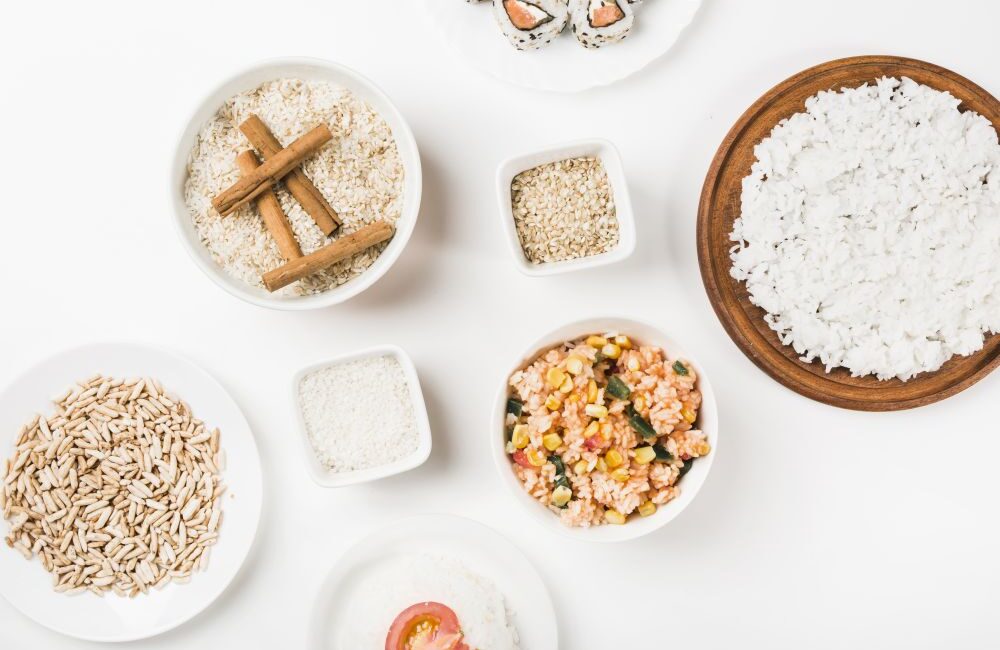
Low GI rice has emerged as a significant dietary consideration in an era increasingly defined by metabolic health concerns and the growing prevalence of diabetes across populations. The glycaemic index, a relatively modern nutritional concept developed in the early 1980s, measures how rapidly carbohydrate-containing foods raise blood glucose levels following consumption. This scientific advancement provided consumers and healthcare practitioners alike with a practical tool for making informed dietary choices, transforming how we understand the relationship between food and metabolic response. The implications for daily nutrition prove particularly relevant in Asian societies where rice constitutes not merely a side dish but the very foundation of most meals.
The historical context of rice consumption reveals an interesting paradox. For millennia, rice sustained civilisations from the Yangtze River valley to the Mekong Delta, providing reliable calories to support dense populations. Yet the traditional varieties consumed by these populations often possessed characteristics quite different from the highly refined white rice that became ubiquitous in the twentieth century. The polishing process that removes the bran and germ layers, whilst producing the gleaming white grains prized for their appearance and quick cooking time, also strips away fibre, minerals, and compounds that moderate glucose absorption.
Understanding the Glycaemic Index and Its Relevance
The glycaemic index ranks foods on a scale from 0 to 100, with pure glucose assigned the reference value of 100. Foods scoring below 55 receive classification as low GI, those between 56 and 69 as medium GI, and those above 70 as high GI. The distinction matters because rapid blood sugar spikes trigger corresponding insulin surges, a pattern that, when repeated frequently over years, contributes to insulin resistance and type 2 diabetes. Low glycaemic index rice varieties produce gentler, more gradual increases in blood glucose, sparing the pancreas from excessive demands and helping maintain metabolic equilibrium.
The mechanisms behind these differences involve both the physical structure of rice grains and their chemical composition. Amylose and amylopectin, the two forms of starch present in rice, behave differently during digestion. Varieties with higher amylose content generally produce lower glycaemic responses because this starch type resists rapid enzymatic breakdown. The presence of intact bran layers in brown and parboiled rice varieties further slows digestion, as the fibre creates a physical barrier that moderates glucose release.
Health Benefits of Choosing Lower GI Varieties
The advantages of incorporating low GI rice into regular dietary patterns extend beyond simple blood sugar management:
-
Sustained energy levels
It result from the gradual release of glucose into the bloodstream, avoiding the energy crashes that follow consumption of high GI foods. This steady fuel supply benefits both mental concentration and physical endurance.
-
Appetite regulation
Improves because low GI foods promote greater satiety. The slower digestion process keeps hunger at bay for longer periods, potentially reducing overall calorie intake and supporting weight management efforts.
-
Cardiovascular protection emerges as a secondary benefit
Since stable blood sugar levels correlate with reduced inflammation and improved lipid profiles. The metabolic stability fostered by low GI diets contributes to long-term heart health.
-
Diabetes prevention and management
It represents perhaps the most significant advantage. For those already diagnosed with diabetes, low GI rice assists in maintaining target blood glucose ranges. For those at risk, it reduces the likelihood of disease development.
Varieties and Options Available
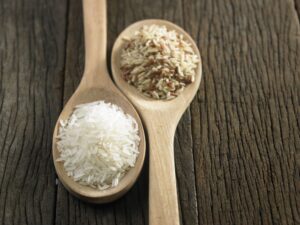
Several rice varieties naturally exhibit low to medium GI characteristics. Basmati rice, whether white or brown, typically scores lower on the glycaemic index than other long-grain varieties due to its high amylose content. The slender grains remain separate and fluffy when cooked, making them suitable for a wide range of dishes. Brown rice of any variety retains its fibre-rich bran layer, automatically lowering its GI compared to the polished white equivalent. Parboiled rice undergoes steaming before milling, a process that drives nutrients into the grain and alters the starch structure in ways that reduce glycaemic impact.
Wild rice, technically not a true rice but the seed of an aquatic grass, provides an extremely low GI option with robust, nutty flavour. Black and red rice varieties, increasingly available in specialty markets, combine low GI properties with high antioxidant content courtesy of their coloured bran layers.
In Singapore’s health-conscious market, awareness of glycaemic impact has influenced purchasing patterns significantly. As one nutrition researcher noted, “Singapore’s low gi rice adoption reflects a population increasingly educated about preventive health measures and willing to make dietary adjustments for long-term wellbeing.” The island nation’s high diabetes prevalence has prompted both government health initiatives and grassroots dietary modifications, with low GI grain choices forming part of broader nutritional recommendations.
Practical Implementation in Daily Cooking
Transitioning to lower GI rice requires minimal adjustment to cooking routines. Most varieties cook using standard methods, though brown and wild rice demand longer cooking times and slightly more water than white rice. The textural differences, initially unfamiliar to palates accustomed to soft white rice, become appreciated with regular consumption. The firmer bite and nuttier flavours complement curries, stir-fries, and grilled proteins admirably.
Combining rice with protein, healthy fats, and vegetables further moderates the overall glycaemic response of a meal. A plate of brown rice accompanied by grilled fish and steamed vegetables produces a substantially lower glucose spike than rice consumed alone. This food pairing principle allows even moderate GI rice varieties to function effectively within a blood sugar-conscious dietary pattern.
The shift towards nutritionally optimised grain choices represents not a rejection of cultural food traditions but their evolution in response to changed circumstances. Modern sedentary lifestyles and altered disease patterns necessitate adaptations that our ancestors, engaged in physically demanding agricultural labour, never required. For contemporary populations facing metabolic health challenges, choosing low gi rice offers a practical, sustainable approach to preserving cherished food customs whilst safeguarding future wellbeing through more mindful nutrition based on low gi rice.