The decision to order a customised cake Singapore begins with a seemingly simple question: what kind of cake do you actually need? Yet this question contains layers of complexity that become apparent only when you examine the relationship between occasion type, guest expectations, venue constraints, and design possibilities. The wrong choice can create consequences that ripple through an entire celebration. The right choice amplifies the celebration’s impact in ways that justify the additional expense and planning effort required.
Understanding Occasion Categories and Their Design Implications
Not all celebrations demand the same approach to cake design. Each occasion type carries implicit expectations about formality, aesthetics, and appropriateness that influence which custom cake designs will succeed and which will miss the mark.
Children’s birthday parties operate under different rules than adult milestone celebrations. A four-year-old’s superhero-themed party calls for bold primary colours, recognizable character shapes, and design elements positioned where small children can appreciate them. The same design principles would seem jarringly inappropriate at a fortieth birthday celebration, where sophistication and subtle humour typically replace cartoonish exuberance.
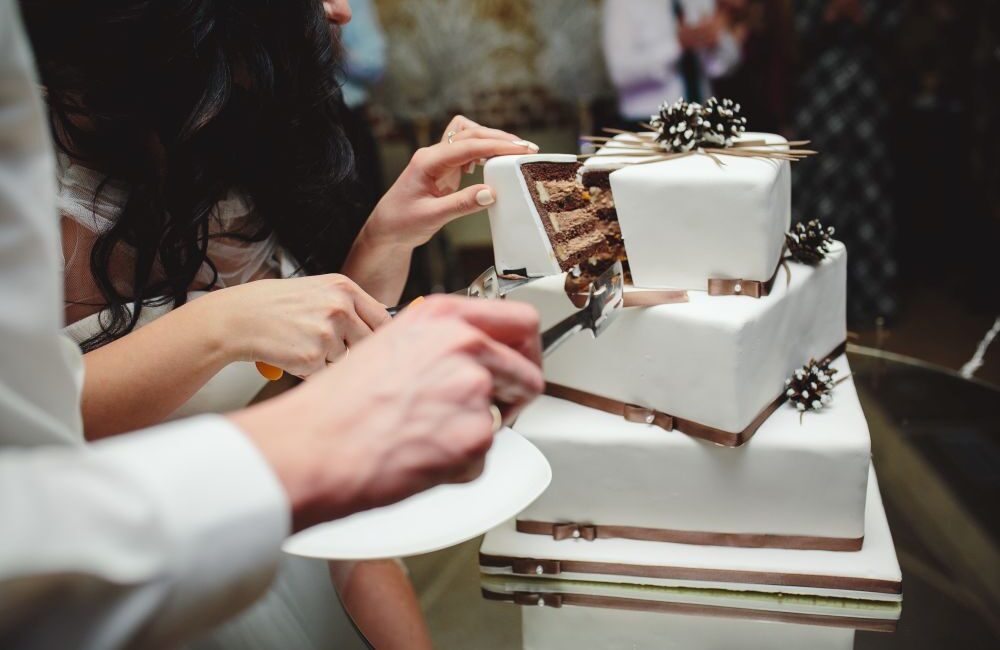
Wedding cakes represent the most formal end of the spectrum, where tradition intersects with personal expression. Baker Patricia Lim, who specializes in wedding orders, described the dynamic: “Couples want their customised wedding cake Singapore to feel unique but not so unconventional that it looks out of place in wedding photographs. There’s a narrow band of acceptable innovation.”
Corporate events require yet another calibration. The cake celebrating a company’s anniversary or major contract win must project professionalism whilst remaining celebratory. Overly playful designs undermine the message, whilst excessively formal designs can seem sterile.
Matching Design Complexity to Venue Constraints
The physical environment where the cake will be displayed and served imposes practical constraints that many people overlook during design selection. These constraints can determine success or failure regardless of how beautiful the cake appears in isolation.
Indoor, climate-controlled venues offer maximum flexibility. Buttercream, fondant, chocolate, and virtually any decorative technique remains stable under these conditions. Outdoor venues in Singapore’s tropical climate create immediate complications. Heat and humidity become enemies of structural integrity.
According to pastry chef Daniel Chen, “I actively discourage certain customised cake singapore designs for outdoor events. Intricate buttercream flowers will droop within minutes. Chocolate decorations will begin softening immediately. Clients sometimes push back, but I explain the physics of what happens to cake in thirty-two-degree heat with eighty-five per cent humidity.”
Venue logistics extend beyond climate control:
- Available refrigeration affects how early the cake can be delivered and setup timing
- Table stability and size determine maximum cake dimensions and tier numbers
- Lighting conditions influence colour choices, as artificial light can distort certain shades
- Accessibility for delivery affects whether elaborate multi-piece designs are feasible
- Display duration before cutting determines which structural approaches will hold
Balancing Aesthetic Ambition with Budget Reality
The gap between desired design and available budget creates tension in many ordering processes. Understanding what drives costs in customised cake creation helps calibrate expectations before emotional investment in a particular design becomes too strong.
Labour hours represent the primary cost factor, and these scale nonlinearly with complexity. A cake requiring hand-painted portraits might demand twenty hours of meticulous work compared to three hours for a simple frosted cake. The price difference reflects this time investment more than material costs.
Three-dimensional sculptural cakes require internal armatures, careful carving, and structural engineering that flat decorated cakes avoid entirely. Certain ingredients such as premium chocolate, real vanilla, or specialty items like gold leaf also add expense, though usually less dramatically than labour costs.
Jennifer Wong, who operates a home-based custom baking service, described the budget conversation: “I show clients a portfolio organized by price points. When they understand that the hundred-dollar cake takes five hours and the three-hundred-dollar cake takes eighteen hours, the pricing logic becomes clear.”
Considering Guest Demographics and Cultural Context
The people who will actually eat the cake should influence design choices in ways that extend beyond simple serving quantity calculations. Age distribution, cultural backgrounds, and dietary considerations all factor into optimal design selection.
Elderly guests might struggle with very sweet fondant-heavy designs or prefer traditional flavours over adventurous combinations. Young children respond to bold colours and recognizable characters but may not appreciate subtle design nuances. Multicultural gatherings in Singapore’s diverse society benefit from designs that avoid culturally specific symbols that some guests might not recognize.
Religious and dietary restrictions require advance consideration:
- Halal requirements affect ingredient sourcing and preparation methods
- Egg or dairy allergies necessitate alternative recipes that may limit certain decorative techniques
- Vegetarian guests may object to certain food colourings derived from animal sources
- Health-conscious crowds might prefer reduced-sugar options that affect texture and decoration possibilities
Making the Decision Process Systematic
Successful custom celebration cake selection follows a logical sequence. Begin by defining occasion type and formality level. Document venue constraints including climate control and logistics. Establish firm budget parameters. List dietary requirements and guest demographic factors. Only after gathering this information should you explore specific design options.
This systematic approach prevents the common pattern of falling in love with a particular design only to discover it exceeds budget, won’t survive the venue conditions, or fails to accommodate dietary needs. Baker Michael Tan summarized the principle: “The clients who have the best experiences are those who treat design selection as problem-solving rather than pure aesthetics.”
The cake you ultimately select will either enhance your celebration or create complications you could have avoided. Thoughtful analysis of how design choices interact with occasion requirements, venue realities, budget constraints, and guest considerations produces outcomes that justify ordering a customised cake singapore.